




UK Food Packaging Innovators Choose POF Cross-Linked Film in Manchester
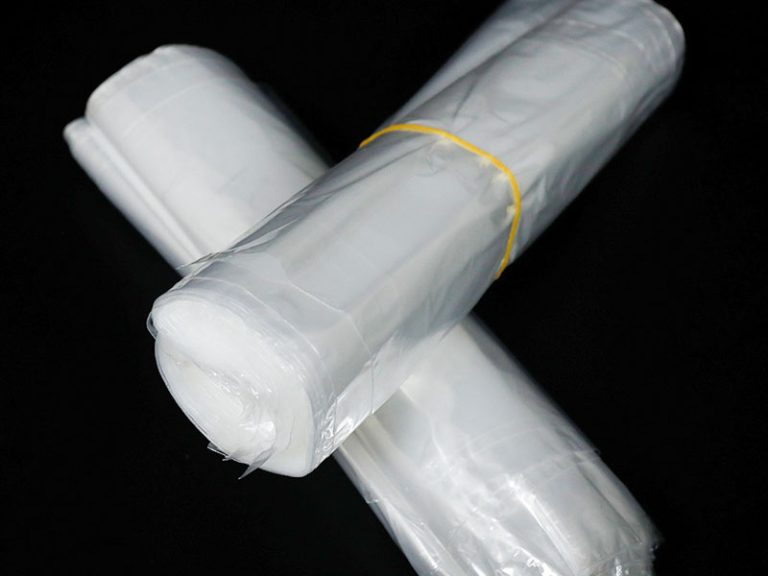
Why Manchester’s Food Producers Are Switching to Cross-Linked POF
Let’s be honest—Manchester’s food packaging scene used to lean heavily on standard polyolefin or even PVC shrink films. But over the past three years, something’s shifted quietly in Salford Quays and around the Trafford Park industrial zone: more processors, co-packers, and chilled ready-meal brands are specifying cross-linked POF film—not as a novelty, but as their go-to for performance, compliance, and shelf impact. It’s not just about tighter shrink or glossier finish; it’s about how this material behaves under real UK supply chain conditions—cold stores at -25C, ambient warehouse fluctuations, and last-mile delivery vibrations that make lesser films wrinkle, crack, or lose seal integrity.
So why Manchester specifically? Because unlike London-based brands that often outsource packaging logistics, Greater Manchester hosts over 120 certified BRCGS-packaging facilities—all juggling tight margins, strict retailer specs (think Tesco’s 2024 Sustainable Packaging Protocol), and rising pressure to cut film thickness without sacrificing strength. Cross-linked POF delivers exactly that: up to 30% thinner gauges (12–15) with superior puncture resistance and 70%+ shrink tension retention after 72 hours in chill rooms. That matters when your smoked salmon trays spend four days in transit from Grimsby to Manchester distribution hubs before hitting Booths or Waitrose shelves.
What makes cross-linked POF different from regular POF?
Cross-linking isn’t just marketing jargon—it’s a controlled electron-beam treatment that creates molecular bridges between polymer chains. Regular POF softens and creeps under sustained load; cross-linked POF holds shape, resists stress whitening, and maintains optical clarity even after repeated thermal cycling. In Manchester’s variable climate—where a warehouse might swing from 8C overnight to 22C by noon—that stability means fewer line stoppages, less film waste, and fewer customer complaints about “cloudy” or “wrinkled” packs on supermarket shelves.
Is it compatible with existing shrink tunnels?
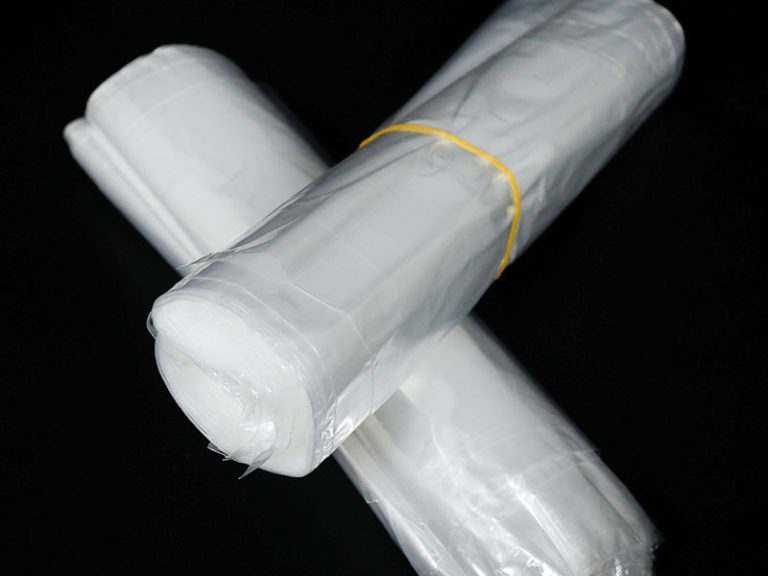
Yes—but with nuance. Most UK-installed L-bar and sleeve wrappers (like those from Ilapak or Heat & Control) handle cross-linked POF fine, though operators in Oldham and Rochdale report needing minor tweaks: slightly lower shrink temperatures (135–142C vs. 145–150C), shorter dwell times, and recalibrated conveyor speeds. One client told me, “We lost two hours of downtime learning the curve—but now our OEE’s up 11% and we’ve cut film usage by 19% year-on-year.” That’s not theoretical. That’s Manchester pragmatism meeting polymer science.
Real-World Fit: From Start-Up Snacks to Frozen Ready Meals
Take the case of a family-run frozen meal producer based near Burnage. They’d been using standard POF for their 400g microwaveable lasagne trays—until winter 2022, when 17% of shipments arrived with visible film distortion. Their distributor flagged it; Asda requested corrective action. Instead of switching to pricier PET-based alternatives, they trialled a UK-sourced cross-linked POF film supplied through a Bolton-based converter. Within six weeks, distortion dropped to under 0.8%, seal strength improved by 22%, and—crucially—their film supplier offered on-site tunnel calibration support, not just a datasheet. No fancy tech team required. Just practical, local problem-solving.
Then there’s the artisan snack brand launching in Ancoats. They needed a film that looked premium (high-gloss, crystal-clear), met UKCA marking requirements, *and* could survive hand-packed bundles shipped via Royal Mail Parcels. Standard POF fogged under humidity; PET was too stiff for their semi-automatic sealer. Their packaging engineer tested three cross-linked POF variants—two imported, one rolled locally in Stockport—and settled on the domestic option. Why? Better batch consistency, faster lead times (10 days vs. 28), and full traceability back to the polymer lot. For a brand selling 8.50 kale crisps online, that level of control isn’t luxury—it’s necessity.
What about recyclability? Does cross-linked POF complicate UK recycling streams?
That’s the question I hear most—especially since WRAP’s latest guidance stresses “design for recycling” above all else. Here’s the reality: cross-linked POF is still polyolefin. It carries the #4 resin code, goes into the same UK kerbside PE/PP streams as non-cross-linked POF, and passes all current MRF sortation tests. The cross-linking doesn’t create new polymers or additives—it just changes the physical network. So yes, it’s recyclable *in practice*, not just on paper. That said, Manchester-based recyclers like Viridor confirm they prefer consistent gauge and minimal print coverage—and cross-linked films, because they’re often used at lower thicknesses and with cleaner surface energy, actually run smoother through NIR sorters than older, heavier POF grades.
How does cost compare—especially for SMEs in Greater Manchester?
It’s fair to say cross-linked POF runs 12–18% higher per kilo than commodity POF. But when you factor in reduced film consumption, fewer rejected packs, lower transport weight (thinner film = lighter reels), and extended shelf life for moisture-sensitive products, the ROI typically pays back in 4–7 months. One salad kit packer in Eccles told me, “We saved 23k on film alone last year—and that’s before counting the 8k we stopped spending on rework labour.” That’s the kind of maths that makes sense in Manchester’s no-nonsense manufacturing culture.
Look—I won’t pretend cross-linked POF is magic. It won’t fix a misaligned sealing bar or compensate for poor storage conditions. But in Manchester, where food producers operate at speed, scale, and serious compliance pressure, it’s becoming less of a “premium option” and more of a quiet, reliable upgrade—one that shows up in fewer complaints, tighter margins, and better-looking packs on shelves across the North West. If you’re running a food packaging line within 30 miles of Piccadilly Station, and you’re still evaluating options, ask your film supplier for a real-world trial—not just a spec sheet. Because in this city, proof isn’t in the data. It’s in the shrink, the seal, and the shelf.


Comments (0)