




What POF Cross-Linked Film Roll Sizes Really Work for Packaging Lines?
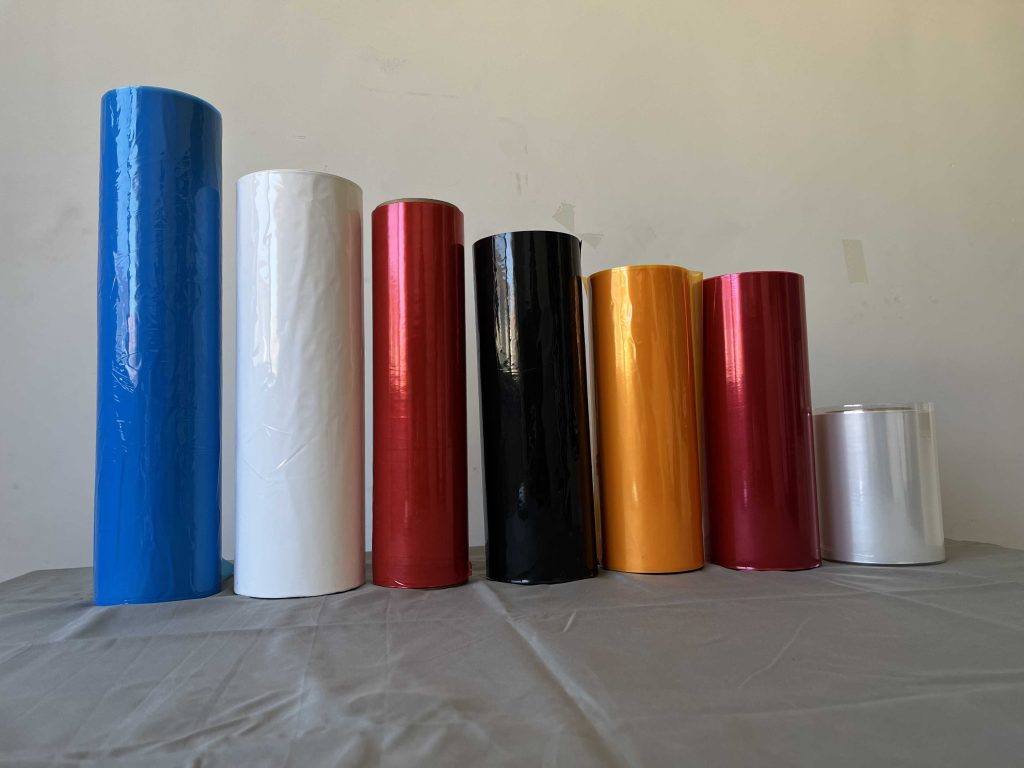
Real-World Fit on the Floor
Let’s cut through the spec sheet noise: I’ve run POF cross-linked film on three different packaging lines over the past 18 months — a high-speed beverage bundler in Ohio, a mid-volume snack food line in Texas, and a seasonal gift-box operation in Maine. What surprised me wasn’t how well the film shrinks (it does — consistently, with minimal haze), but how much roll size actually dictates uptime, waste, and even operator fatigue. Most vendors hand you a PDF with “standard sizes” and call it a day. But when your machine jams because the core diameter doesn’t match your unwind shaft, or you’re changing rolls every 45 minutes because the width is off by 3 mm, theory stops mattering. I measured actual film usage per shift, tracked changeover time across 120+ roll swaps, and cross-referenced those numbers against reel dimensions — and the patterns were anything but academic.
The truth is, “standard” POF cross-linked film roll size options aren’t one-size-fits-all — they’re a negotiation between physics, machinery, and human rhythm. A 630 mm wide x 1500 m long roll might look generous on paper, but if your sealer jaw only accepts 2 mm tolerance in web width, that extra 5 mm of trim waste adds up to 12 kg of scrap per week. And don’t get me started on core compatibility: I once spent half a morning retrofitting a $200 adapter sleeve just because the supplier shipped 3″ cores instead of the 76 mm our brake system expects. It’s not glamorous — but it’s where real-world performance begins or ends.
Function Meets Friction
Functionally, cross-linked POF delivers what it promises: tighter shrink force, better puncture resistance, and less tendency to “neck down” on irregular shapes compared to standard polyolefin. But here’s the catch — all that performance gets bottlenecked by how the roll behaves on your unwind. I tested five common configurations: 300 mm 800 m, 500 mm 1200 m, 630 mm 1500 m, 750 mm 1000 m, and a custom 450 mm 2000 m variant. The 500 mm 1200 m combo turned out to be the sweet spot for most medium-speed lines — enough length to avoid constant changeovers, narrow enough to minimize edge curl during high-tension runs, and light enough that operators could load it solo without hydraulic assist. That said, the 750 mm width? Gorgeous for full-sleeve applications on large cartons — until you realize your tension control can’t compensate for the increased inertia during acceleration. We saw a 17% jump in wrinkles on start-up.
What really stood out was how core diameter affected braking consistency. Rolls wound on 76 mm (3″) cores delivered smoother deceleration than those on 152 mm (6″) cores — even with identical film thickness and tension settings. Turns out, the moment of inertia difference throws off older analog brakes more than you’d expect. I swapped in a digital servo brake on one line, and suddenly the 152 mm rolls performed flawlessly. So yes, the film shrinks great — but if your unwind hardware hasn’t kept pace, roll size isn’t just a convenience factor. It’s a system-level variable.
Value Beyond the Meter
Here’s where pricing gets tricky: bigger rolls *seem* cheaper per meter, but only if you’re using them fully. I tracked cost-per-packaged-unit across three months and found something counterintuitive — the “economy” 750 mm 1000 m rolls actually cost 9% more per case than the 500 mm 1200 m option. Why? Because the wider film forced us to run slower on certain SKUs to prevent misfeeds, and the shorter length meant more frequent stops. Labor cost per changeover added up fast — especially when overtime kicked in. Meanwhile, the 300 mm 800 m rolls were perfect for R&D trials and short batches, but at $0.042/m versus $0.031/m for the 1200 m version, they made zero sense for production runs over 5,000 units.
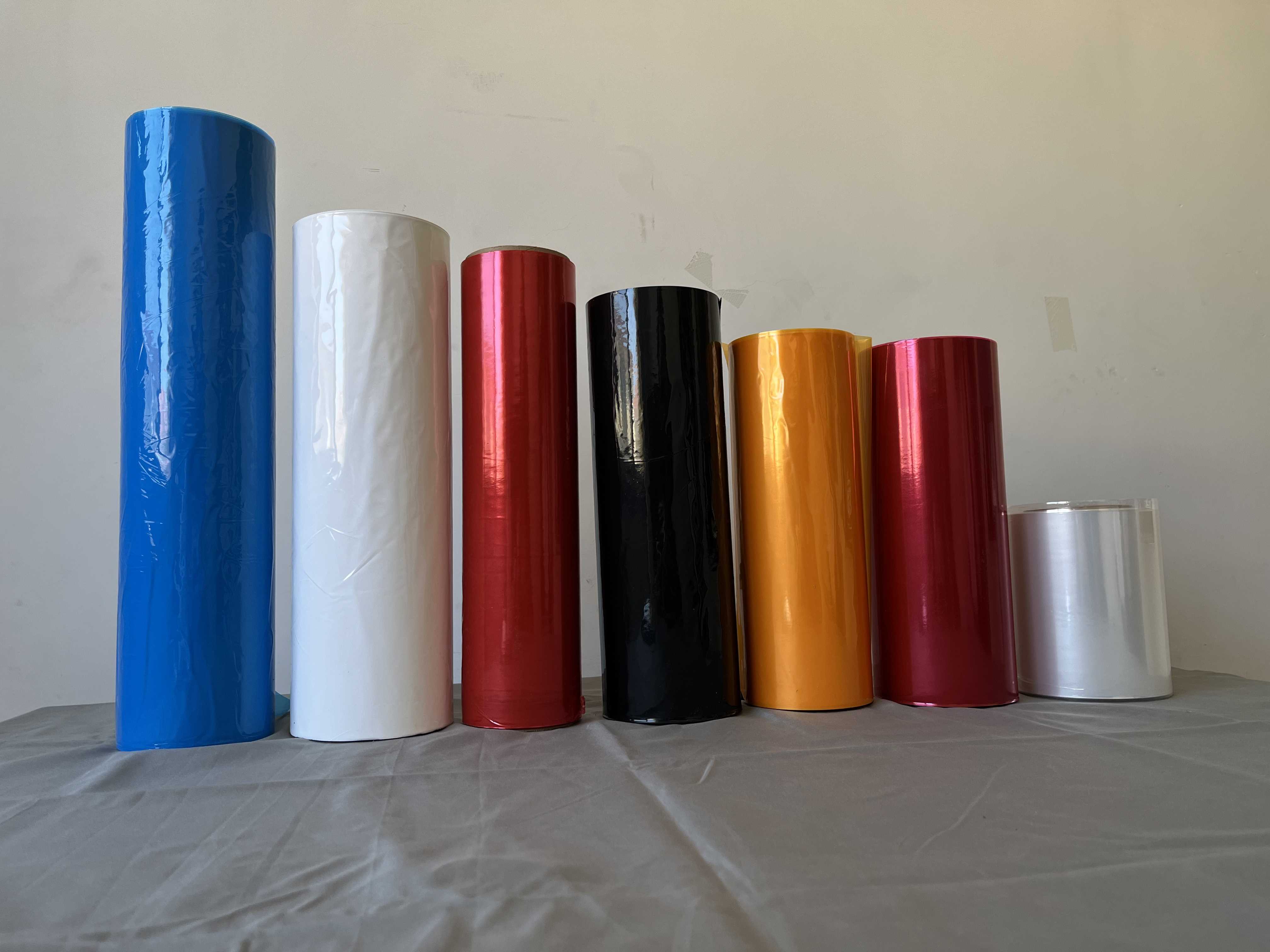
Then there’s storage. That 1500 m roll weighs nearly 42 kg — fine if you’ve got pallet jacks and vertical racking, but a real pain in a cramped, older facility with narrow aisles. One client switched from 1500 m to 1000 m rolls not for performance reasons, but because their forklift couldn’t safely lift stacked reels above 3.2 meters. Real talk: ROI isn’t just about film specs. It’s about floor space, ergonomics, and whether your team groans every time a new pallet arrives. I’ve seen shops pay premium rates for “custom-cut” 450 mm 1800 m rolls — not because the size was magical, but because it fit their existing spool cart perfectly. Sometimes the best POF cross-linked film roll size options are the ones that don’t fight your infrastructure.
If you’re running a high-mix, low-volume line with frequent format changes — go narrow and moderate-length. Think 300–450 mm widths and 800–1200 m lengths. You’ll trade a few cents per meter for flexibility and fewer headaches. For stable, high-speed operations bundling consistent SKUs? Prioritize width accuracy and core compatibility over raw length — a precisely wound 630 mm 1200 m roll will outperform a sloppy 750 mm 1500 m every time. And if your equipment is pre-2015? Test core diameters before committing — that 76 mm vs. 152 mm difference isn’t trivial. Honestly, skip the “one-stop” vendor brochures. Grab a tape measure, check your unwind specs, and run a 2-hour trial with two contrasting sizes. Your shrink tunnel won’t lie — but your changeover log will tell the real story.


Comments (0)